


Throughout the life cycle, some people go through situations and difficulties that may lead to what is known as a Severe or Serious Mental Disorder (SMD). These individuals often experience a deep sense of being misunderstood and, in many cases, situations of stigmatization and discrimination.
This group includes people who present functional psychosis, commonly diagnosed as schizophrenia, bipolar disorder, or other related conditions, and who, as a consequence of the illness, develop persistent and long-term disabilities.
Main characteristics
Onset of the disorder usually occurs in early adulthood.
Even with appropriate treatment, functional limitations may persist over time.
Key areas of life are significantly affected: personal, academic, social, and occupational.
A process of readjustment of life and professional expectations is required, based on real abilities and difficulties.
Intervention needs
Care for people with SMD requires a comprehensive and continuous approach, with psychological intervention as the central axis that coordinates other forms of support. The goal is to reduce the impact of symptoms, promote adaptation to functional limitations, and enhance autonomy and quality of life as much as possible.
Treatment should include, among other aspects:
Early detection and accurate diagnosis
Crisis intervention
Maintenance treatmentç
Ongoing psychological and psychosocial support
A coordinated, person-centered approach is essential to promote recovery, social inclusion, and the development of realistic and meaningful life projects.
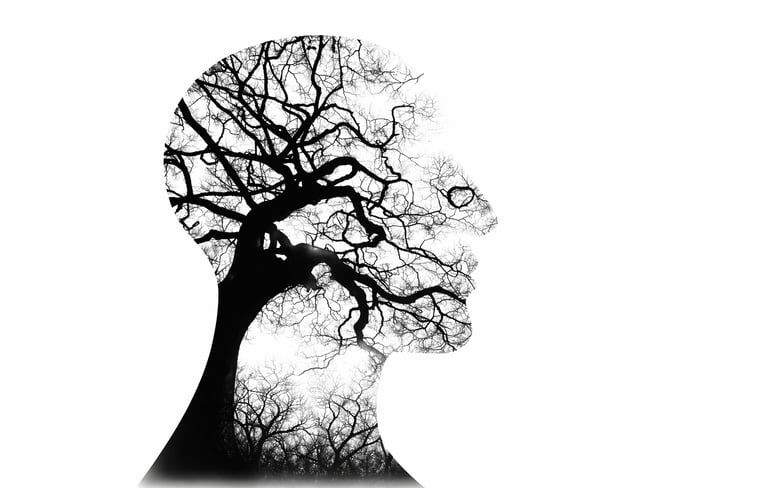

Severe or Serious Mental Disorder