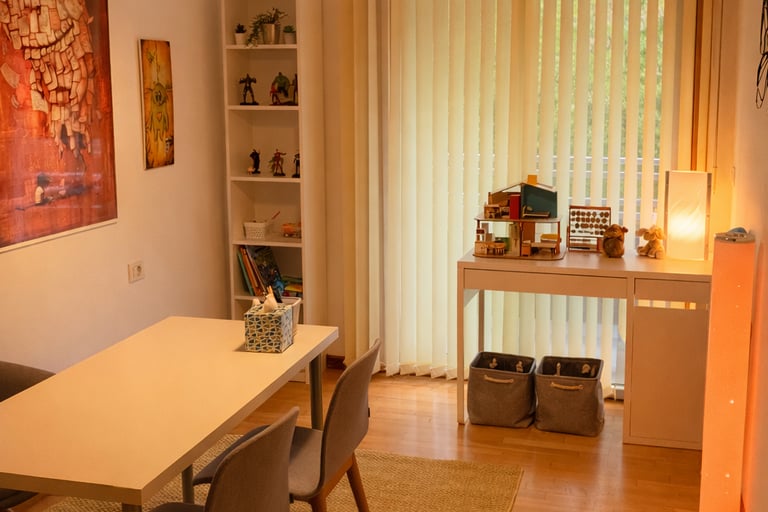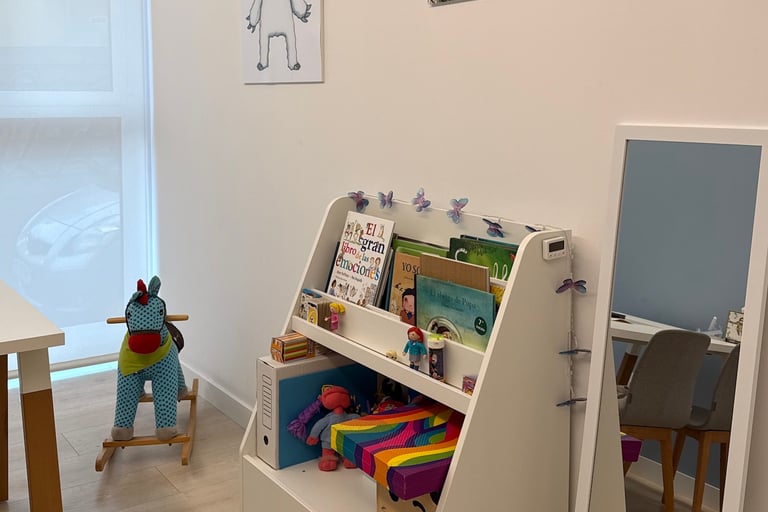

At INTRA-TP, we offer psychological support to people of all ages, including adults, children and teenagers. We address a wide range of psychological issues, tailoring our approach to the specific needs of each stage of life.
Our approach is comprehensive and holistic, which means we work not only at an individual level, but also with groups, families and multiple families, where the situation requires it. This broad perspective enables us to better understand the context in which the distress arises and to design interventions that are more effective and tailored to each individual case.
The role of the family in the therapeutic process
One of the hallmarks of our approach is the support we offer to family members. From the very first session, they are supported by a family therapist, whose aim is to answer questions, provide psychoeducation and offer personalised guidance, always tailored to each family’s specific circumstances.
Working with patients and their families in parallel allows us greater scope for therapeutic intervention. In some cases, due to emotional volatility or sensitivity that may arise in certain family relationships, joint care can interfere with the process or hinder its continuity. Parallel care helps to prevent situations of unnecessary emotional strain and promotes a more stable course of treatment.
CHILD AND ADOLESCENT PSYCHOLOGICAL THERAPY
Duration and format of the presentations
Individual sessions usually last one hour, which allows for in-depth therapeutic work tailored to each person’s pace.
How often should you go to therapy?
The therapeutic process is not the same for everyone. Each person decides how often they wish to attend sessions. The frequency of therapy depends on the situation, the goals and the stage of life. The most common guidelines are:
Weekly sessions: the most common option, especially at the start. This allows for continuity in the work, helps build a therapeutic relationship and ensures steady progress.
Fortnightly sessions: these may be appropriate when symptoms are mild, when some progress has already been made, or during maintenance phases.
Monthly frequency: this is usually used in the final stages of the process or for follow-up after discharge.
Therapy is a flexible process agreed between the therapist and the patient. There is no single correct approach; what matters is that the frequency of sessions supports progress and well-being.
Our specialities
En INTRA-TP atendemos problemáticas muy variadas. Conoce todas nuestras áreas de intervención y elige la que se ajuste a tus necesidades:
Psychotherapy
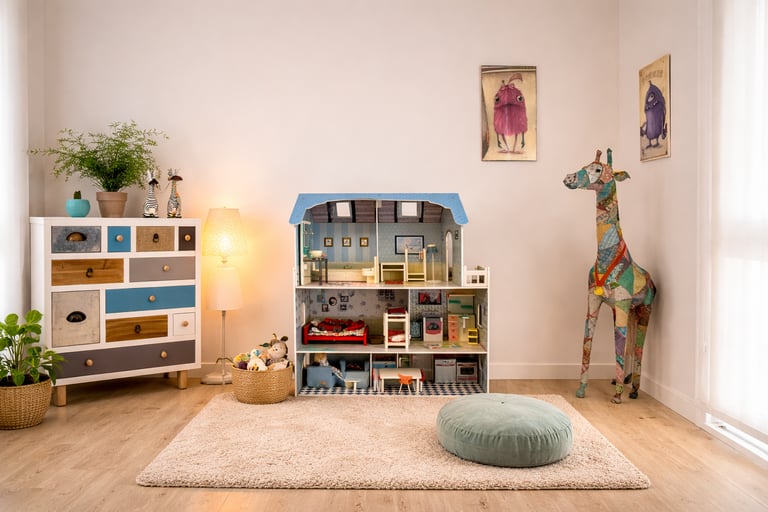


Our approach to working with children and teenagers follows guidelines in which the family plays an essential role in the process. Firstly, we conduct an interview with the parents or carers (and, depending on the child’s age, with the child as well) to gather information and understand the situation.
The children are then assigned to one of our therapists specialising in child and adolescent care, whilst the parents are also assigned a family therapist to conduct counselling sessions with them to help them understand what is happening, learn strategies for supporting their children at home, improve family communication, and help them establish healthy boundaries and rules.
The aim of working with parents is to strengthen the child’s environment and to support carers who are struggling to help the children.
How?
Working methods
Psychological intervention with children and adolescents must be tailored to their stage of development, their level of emotional maturity and their family context. You do not work in the same way with a 6-year-old as you do with a 16-year-old.
In childhood, it is common to use play therapy. For children, play is not merely a recreational activity: it is the primary way in which they understand the world, process experiences and express emotions.
Many children do not express what is happening to them in words, but show it through play. That is why we use play in therapy as a structured clinical tool with clear objectives.
On the other hand, adolescence is a period of intense transition on an emotional, social and personal level. It is a time of identity formation, the search for independence and the redefinition of relationships.
Hormonal changes, social pressure, academic development and the need to belong can lead to internal and family conflicts. In some cases, the distress becomes too much to cope with, and specialist therapeutic support is recommended.