
Bipolar disorder is a condition characterised by extreme mood swings, ranging from periods of euphoria or mania to periods of depression. It involves a disruption in the mechanisms that regulate mood, which depend on the interaction between genetic and environmental factors.
How do genetics and the environment influence us?
Genetic factors determine a person’s susceptibility, whilst environmental factors (particularly stress) can trigger the onset of manic or depressive episodes.
To illustrate this relationship, the example of the ‘filling glass’ is often used.
Let’s imagine that every person is born with a glass of a different size, the capacity of which represents their stress tolerance threshold. In people with bipolar disorder, that glass may be smaller from birth, due to genetic factors. However, whether or not the glass eventually overflows will depend largely on their environment and life experiences.
Everyday problems, losses, work demands or stressful life situations act like drops that gradually fill the glass. When the load exceeds its capacity, the glass overflows, leading to a manic or depressive episode.
Bipolar disorder
Objectives of Psychoeducation in Bipolar Disorder
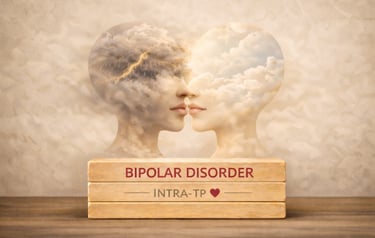


People with bipolar disorder often find it more difficult to accept their diagnosis and stick to their treatment plan. It is therefore essential that they understand what is happening to them and receive appropriate psychoeducation, enabling them to understand the condition, recognise warning signs and prevent relapses.
A lack of awareness of the problem can mean that the person does not seek help when they are unwell or, conversely, when they are experiencing a surge in activity. In such cases, it is usually family members who spot the problem and alert the professionals.
Still have questions? Get in touch with us
What is bipolar disorder?
Why can it develop in adulthood?
The metaphor of the glass filling up helps explain why some genetic conditions do not manifest until adulthood. Their development depends not only on heredity, but also on the ongoing influence of environmental factors, which in many cases prove to be decisive
Key points to bear in mind
Having a higher genetic susceptibility does not necessarily mean that you will develop the disease.
Family history is not always known, as it may be distant or may not have manifested itself.
A stable environment and effective stress management can delay or even prevent the onset of episodes.
Understanding bipolar disorder from this perspective helps to reduce stigma and highlights the importance of prevention, self-care and specialist care, thereby promoting better coping and a better quality of life.
“Bipolar disorder is a fascinating yet tragic psychiatric condition. As a clinician and researcher, I often find myself marvelling at the intensity with which these people experience and feel their lives.”
David J. Miklowitz
Medication, lifestyle habits and relapse prevention
In bipolar disorder, medication is essential to prevent the onset of episodes. Without it, psychoeducation and psychotherapy are less effective. When used in combination, these two approaches help to reduce the risk of relapse and maintain long-term stability.
Psychoeducation helps patients come to terms with their illness and encourages protective behaviours, such as:
Consistent adherence to medication
Avoiding the use of drugs and stimulants
Maintaining a healthy lifestyle (sleep, diet, routines)
Recognising and reducing avoidable stressful situations
All of this contributes to a more stable life with fewer crises.
Early identification of warning signs
One of the main aims of psychoeducation is for the individual to learn to recognise the early signs of a relapse, whether towards hypomania or mania, or towards depression.
This work is particularly effective during periods of stable mood (euthymia), as it allows individuals to review previous episodes and identify personal risk factors, such as changes in sleep patterns, excessive workload, interpersonal conflicts or prolonged stressful situations.
It is also important to learn how to manage potentially destabilising external stimuli, such as bad news, aggressive communication or disrespect, by fostering more mindful and protective responses.
The importance of clear and accurate information
Providing accurate information about bipolar disorder and the steps required to manage it helps to reduce the confusion and uncertainty that often accompany a diagnosis, both for those affected and their families.
There are structured psychoeducation programmes specifically designed for people with bipolar disorder, which have proven to be an effective tool for improving clinical outcomes and quality of life.


Family involvement and support
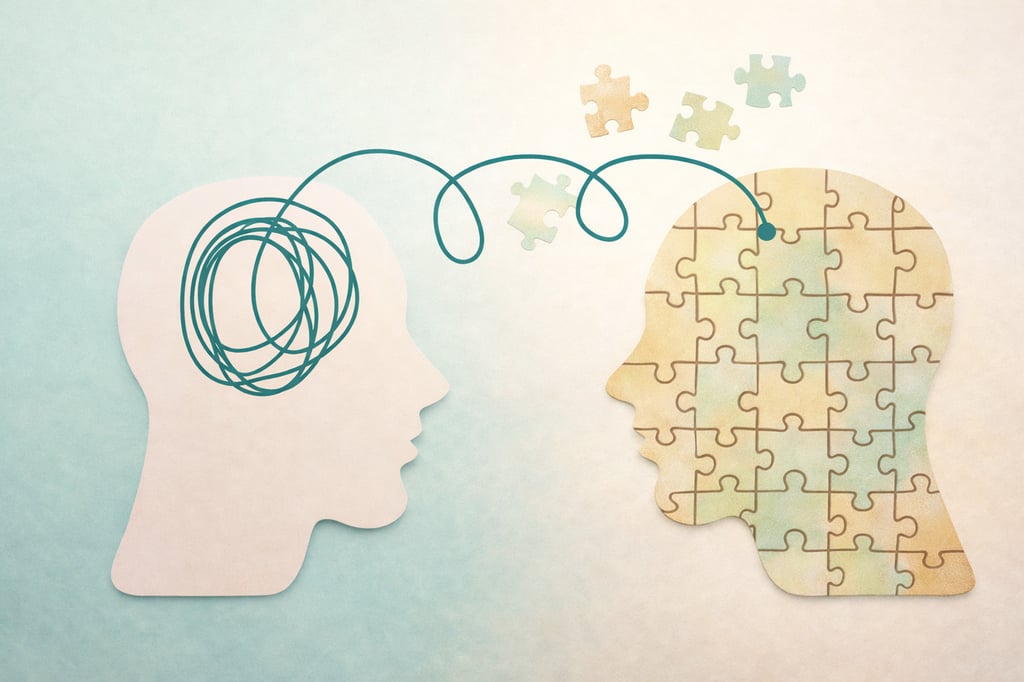
Coming to terms with the diagnosis can be difficult for both the person affected and those around them. Sometimes, family members and carers ignore the condition or continue with habits that encourage relapses, usually due to a lack of information and understanding.
Psychoeducation sessions for family members enable:
Understanding the disease and its progression
Learning how to provide the right support
Identify common reactions to the condition without assigning blame
Becoming aware of common mistakes and learning from them
The aim is not to apportion blame, but to foster understanding, ease tensions and improve community relations.